
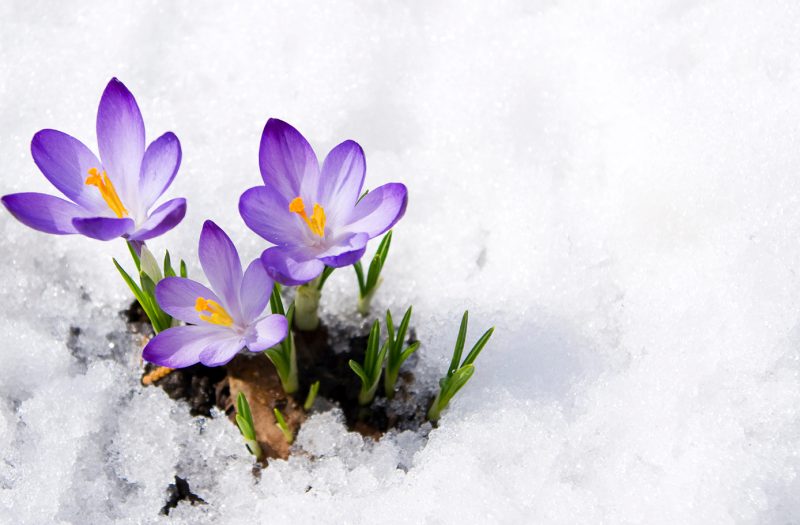
Even as winter begins to settle across our region, savvy gardeners are thinking spring. They know that beneath the frost-covered soil, roots are quietly growing and bulbs are preparing to bloom. But while they are waiting for warmer weather, they know that there are ways to make their garden shine in the winter.
Evergreens, ornamental grasses, colorful branches and winter-blooming plants can bring texture and interest to outdoor spaces long after the last autumn leaves have fallen. With recent concerns about pests and diseases, more homeowners are exploring boxwood alternatives. Consider incorporating some varieties of holly, yews, arborvitae or spruce for year-round greenery. Red twig dogwoods offer striking color against a snowy backdrop, while although deciduous, winterberry holly adds brilliant red berries that brighten the landscape and attract birds. Rather than cutting everything back in fall, leave select seed heads and grasses standing to create winter texture and provide shelter for beneficial insects and wildlife.
Protect your plantings
A little preparation can make a significant difference in how well your landscape emerges in spring. Apply a two- to three-inch layer of mulch around trees, shrubs and perennial beds to help insulate roots and moderate soil temperatures. Keep mulch several inches away from trunks and plant crowns to prevent moisture-related damage.
Newly planted trees and shrubs are particularly vulnerable to winter stress. Water them during extended dry periods when the ground is not frozen and gently brush heavy snow from delicate branches. Avoid removing ice and causing additional breakage.
Plan and prepare
During January and February review what flourished last season, identify areas that need improvement and begin planning new garden beds.
Browse seed catalogs, sketch planting ideas and schedule consultations with landscape professionals before their busiest season arrives. Late winter is a good time to prune many dormant deciduous trees and summer-flowering shrubs. Avoid pruning spring-flowering favorites such as lilacs and forsythia until after they bloom. Check with your favorite nursery for instructions and exceptions.
In the early spring, as temperatures begin to rise, resist the temptation to work in soggy garden beds. Walking on or digging in wet soil can cause unwanted compaction. Once the soil is workable, remove winter debris, test soil conditions and add compost where needed.
Patience pays off
April is when the landscape truly begins to awaken. Divide appropriate overgrown perennials, refresh mulch and begin planting hardy flowers, trees and shrubs.
Keep an eye on the forecast. Typically, in our planting zone, 6b, cool-season vegetables like broccoli, lettuce, spinach, peas, and potatoes can be sown or planted from mid-to-late March (about 2 to 4 weeks before the last frost).
For warm-season vegetables like tomatoes, pepper and squash, plus herbs and flowering annuals, traditional local advice suggests waiting until after Mother’s Day or checking that soil temperatures reach 60°F–75°F to prevent root stunting from cold snaps.
Winter is also the ideal time to envision larger outdoor improvements. Whether it’s a new stone patio, elegant garden pathway, outdoor kitchen or landscape lighting, planning early allows projects to be ready for the season of outdoor living.
A beautiful garden isn’t created in a single weekend. If you start dreaming in winter, you’ll set yourself up for a spectacular spring garden.
Article originally appeared in November 2026