
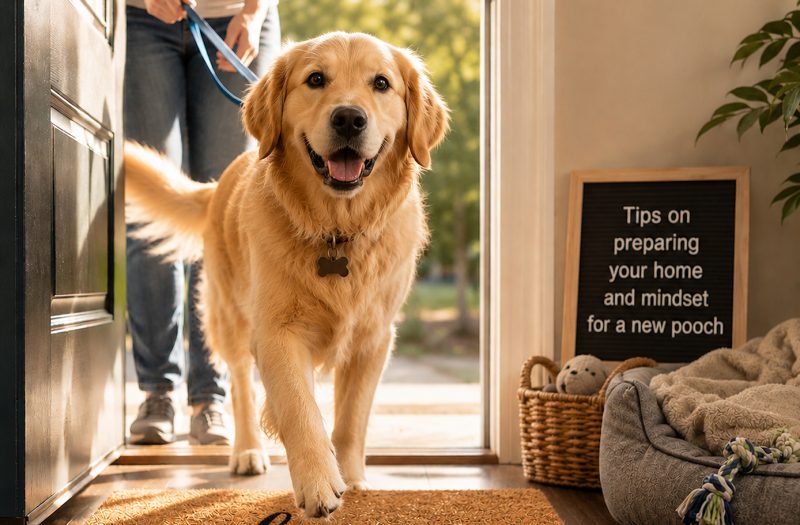
Bringing home a dog—whether a puppy, senior, rescue or special needs pet—means preparing your home, family and routine for a new member of the family. Have the essentials ready on day one—including a crate or bed, food and water—and establish designated spots for them. A predictable place to eat, sleep and retreat can help your dog feel secure.
Beyond the basics, consider products and services that will help keep your newest family member safe, healthy and happy.
Creating a safe space
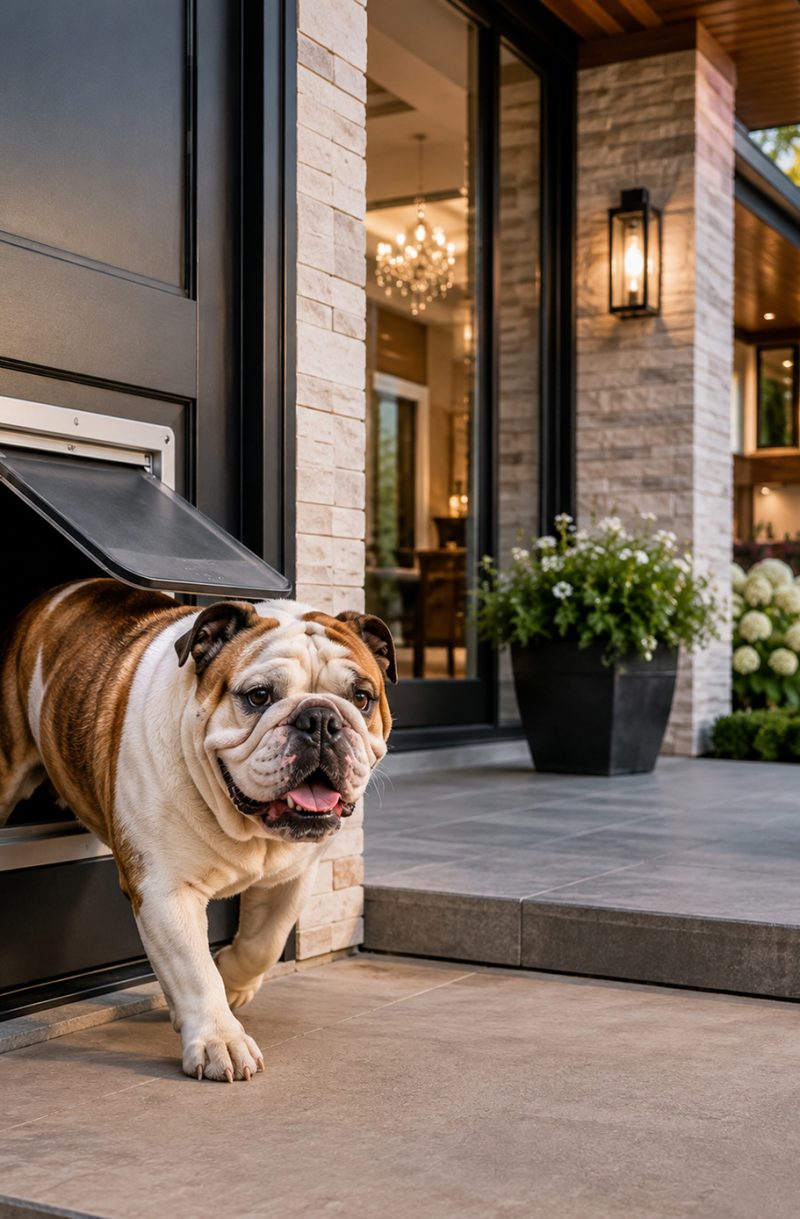
Dogs love to chew, smell and explore, so make sure your home is pet safe. Keep toxic plants, medications and electrical cords out of reach. Use gates to limit access to certain areas or floors. Outside, traditional fencing or an invisible pet fence can give your dog a safe place to burn off energy. A pet door can also provide convenient access to the yard.
Training
For puppies, take them outside every 30 to 60 minutes, as well as after waking, eating, drinking or playing. Reward them immediately after they finish. Feeding on a consistent schedule can help regulate bathroom habits, while using the same spot outside helps establish a routine. Never punish accidents. Puppies don’t connect delayed scolding with their behavior. Instead, thoroughly clean accidents with an enzymatic cleaner to remove odors that may draw them back. Obedience classes can help build confidence, encourage socialization and establish good manners early.

Boarding and daycare
For vacations and business trips, boarding facilities provide safe, supervised care. Daycare can offer exercise and interaction during long workdays. Many facilities also offer grooming, training and enrichment, making them a convenient resource for busy pet owners.
Grooming and dental care
Regular brushing, nail trimming and bathing keep your pet comfortable and healthy. Find a trusted groomer early, especially if your dog requires frequent grooming. The ASPCA recommends bathing your dog at least once every three months. That might need to happen more often if your dog likes to explore muddy areas. Consider creating a designated dog-washing area in the mudroom.
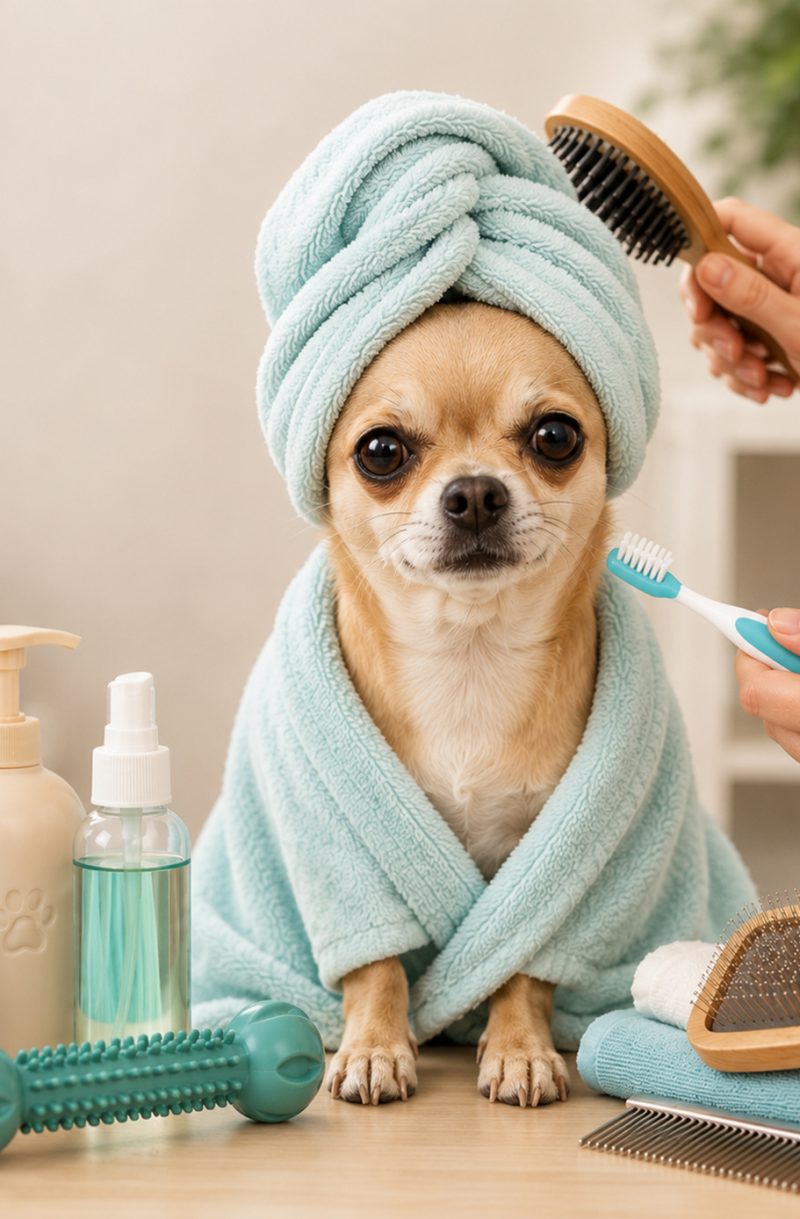
Dental care is important, too. Try getting your pet used to the idea of teeth brushing by gently massaging their lips with your finger in a circular motion for 30 to 60 seconds once or twice a day for a few weeks before introducing a toothbrush. Use a soft-bristled pet toothbrush and flavored pet toothpaste to brush their teeth two to three times a week. Never use human toothpaste.
Healthcare
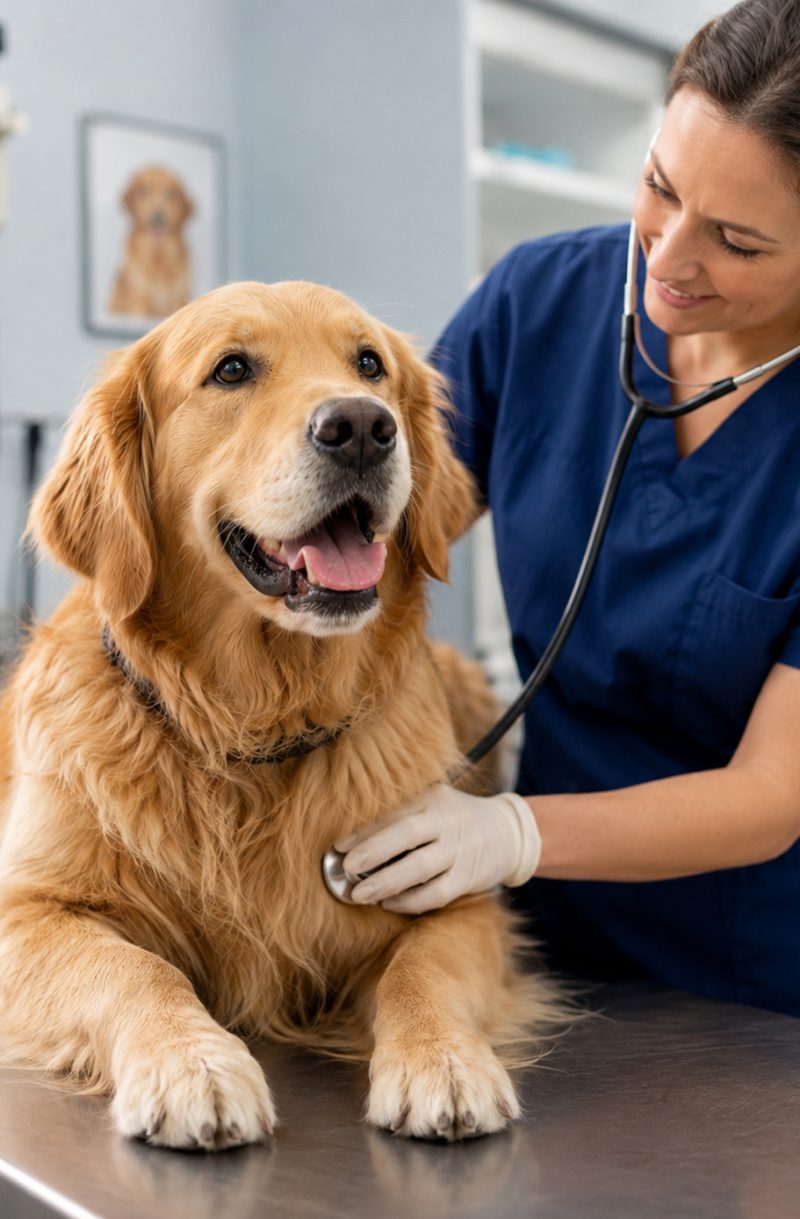
Schedule regular veterinary visits for wellness exams, vaccinations and flea, tick and heartworm prevention. Pet insurance may also help offset unexpected medical expenses. Puppies typically need more frequent visits during their first few months, while healthy adult dogs generally should see a veterinarian at least once a year. Your veterinarian can recommend the right schedule.
Exercise
Puppies need short, frequent play sessions to protect growing joints. An adult dog’s exercise needs vary widely by age, breed and health, from 30 minutes a day to more than two hours for high-energy breeds.
Yes, there’s work involved, but it’s an exciting time. Enjoy welcoming a new member into your family!
Article originally appeared in November 2026